The WWF is run at a local level by the following offices...
- WWF Global
- Adria
- Argentina
- Armenia
- AsiaPacific
- Australia
- Austria
- Azerbaijan
- Belgium
- Bhutan
- Bolivia
- Borneo
- Brazil
- Bulgaria
- Cambodia
- Cameroon
- Canada
- Caucasus
- Central African Republic
- Central America
- Central Asia
- Chile
- China
- Colombia
- Croatia
- Democratic Republic of the Congo
- Denmark
- Ecuador
- European Policy Office
- Finland
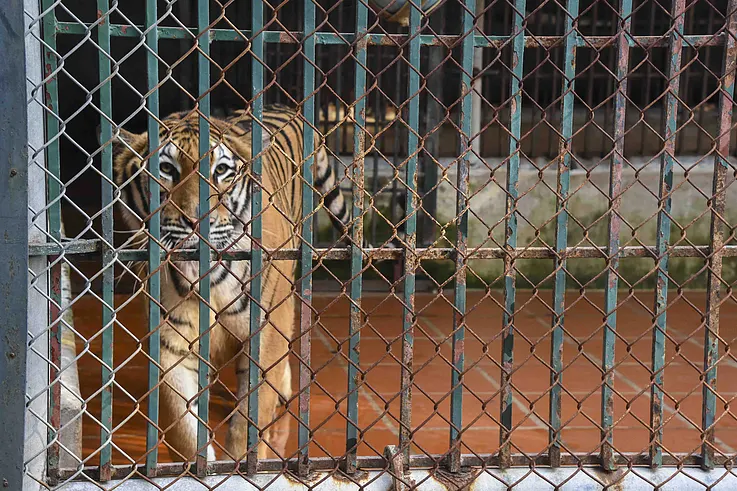
Don't believe the smuggler’s lies
Tiger traders are part of organized criminal networks. To maximize profits, they are willing to deceive consumers, regardless of the risks to human health.
Wild tigers are functionally extinct in Viet Nam, Laos and Cambodia*. Most tiger bone glue is made from tigers held in illegal or hidden captive facilities, not from the wild.
*Global Tiger Forum and the Global Tiger Initiative Council. Global Tiger Recovery Program 2.0 (2023-34). (2023)
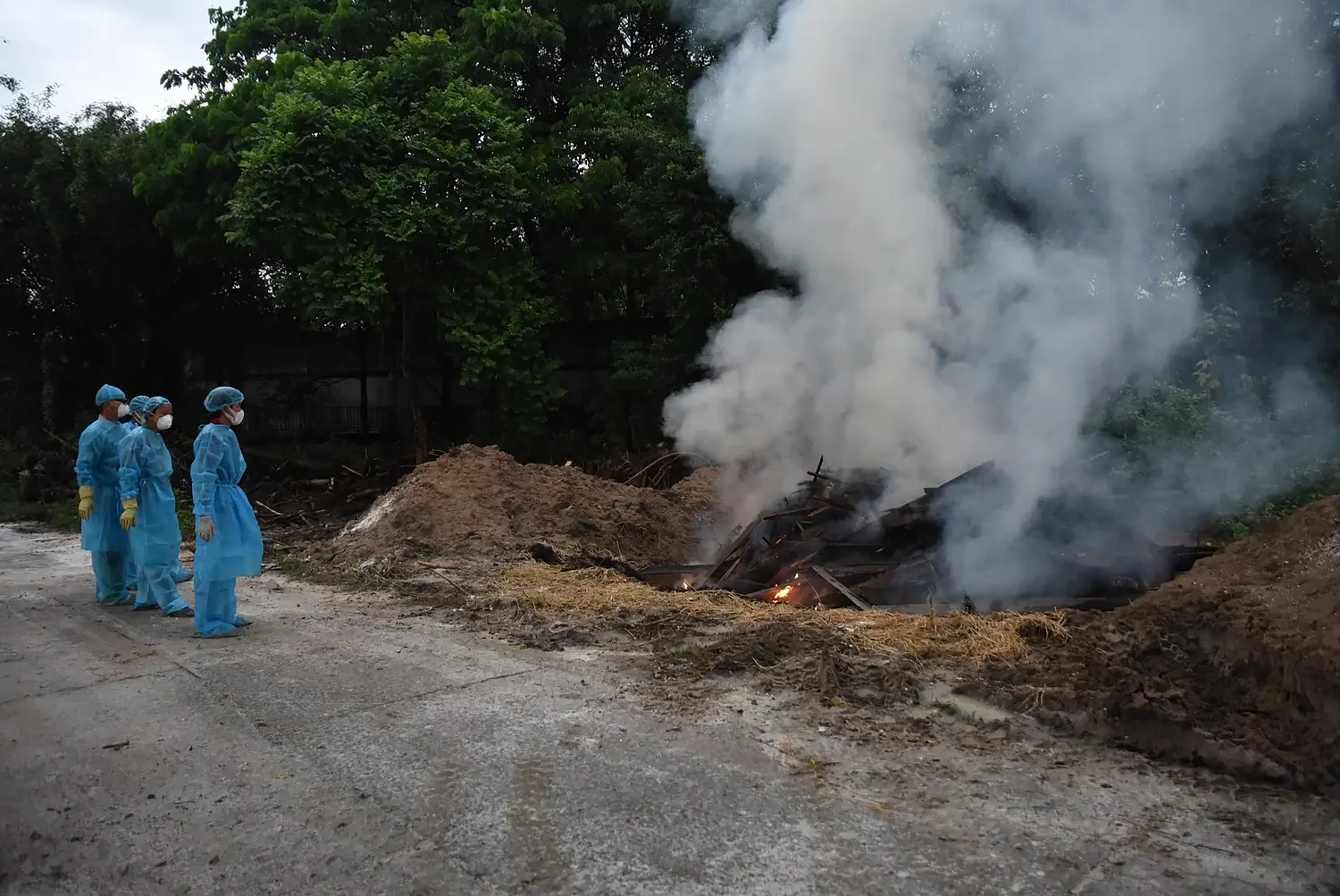
Zoonotic spillover
Even in legally registered tiger captive facilities, the risk of disease outbreaks still occur. In 2024, 47 captive tigers were culled due to the risk of avian influenza1. Illegal tiger breeding and production have no disease control and safety standards, posing severe risks to human health2.
1: Tuoi Tre Newspaper (2024). 2: Refer to Vietnam Plus (2023)
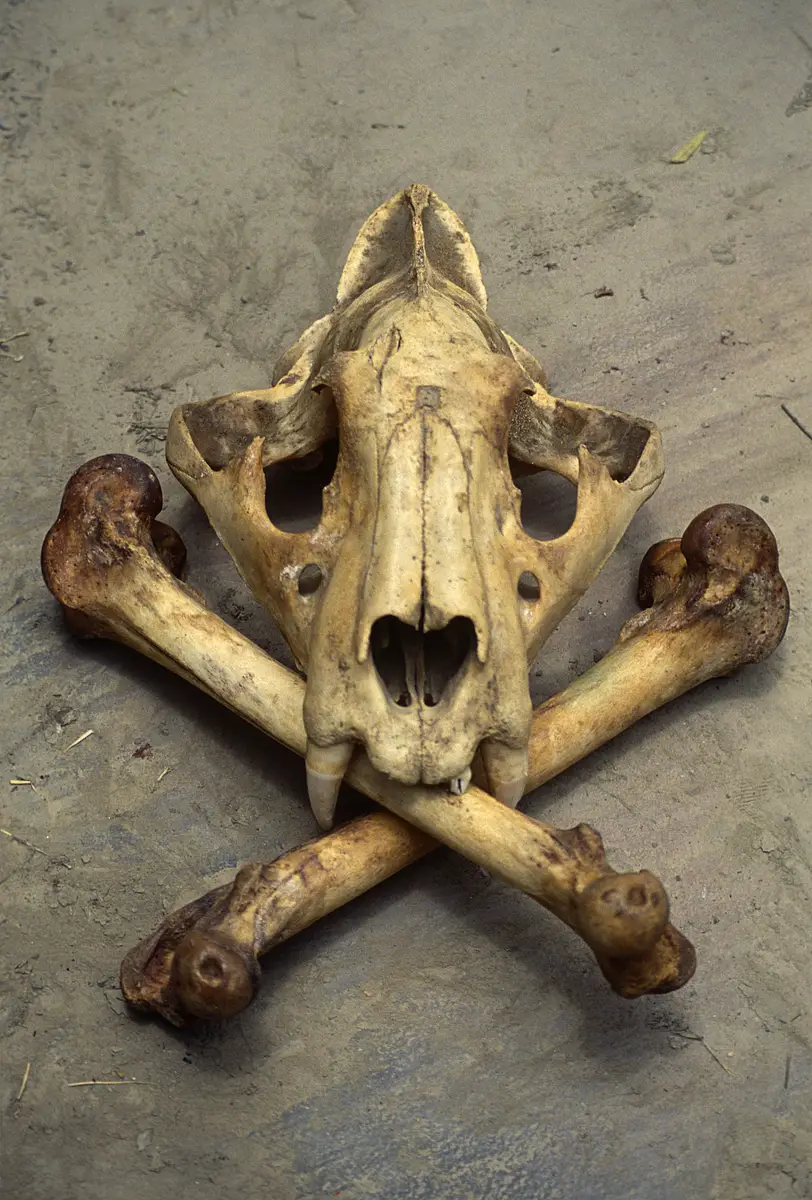
Contaminated products
According to various investigation reports, sellers frequently mix unknown chemicals, painkillers or even drugs into tiger bone glue*. Consumers of tiger bone glue are putting their own health at risk.
* Sources: Industry and Trade Newspaper (2025), Dan Tri Newspaper (2022) VietnamNet (2019)
Say no to tiger bone glue
Through supporting the restoration of tiger prey species and their natural habitat, WWF-Viet Nam aims to reintroduce tigers to Yok Don National Park.

WWF-Viet Nam applies behavioral research to design and implement evidence-based communication campaigns to reduce the demand for tiger products.
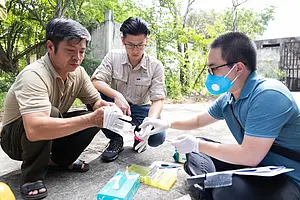
WWF-Viet Nam supports the use of DNA analysis techniques and the development of policy framework to improve captive tiger management in Viet Nam.